
The Art of Ice — Elevating the Whisky Experience
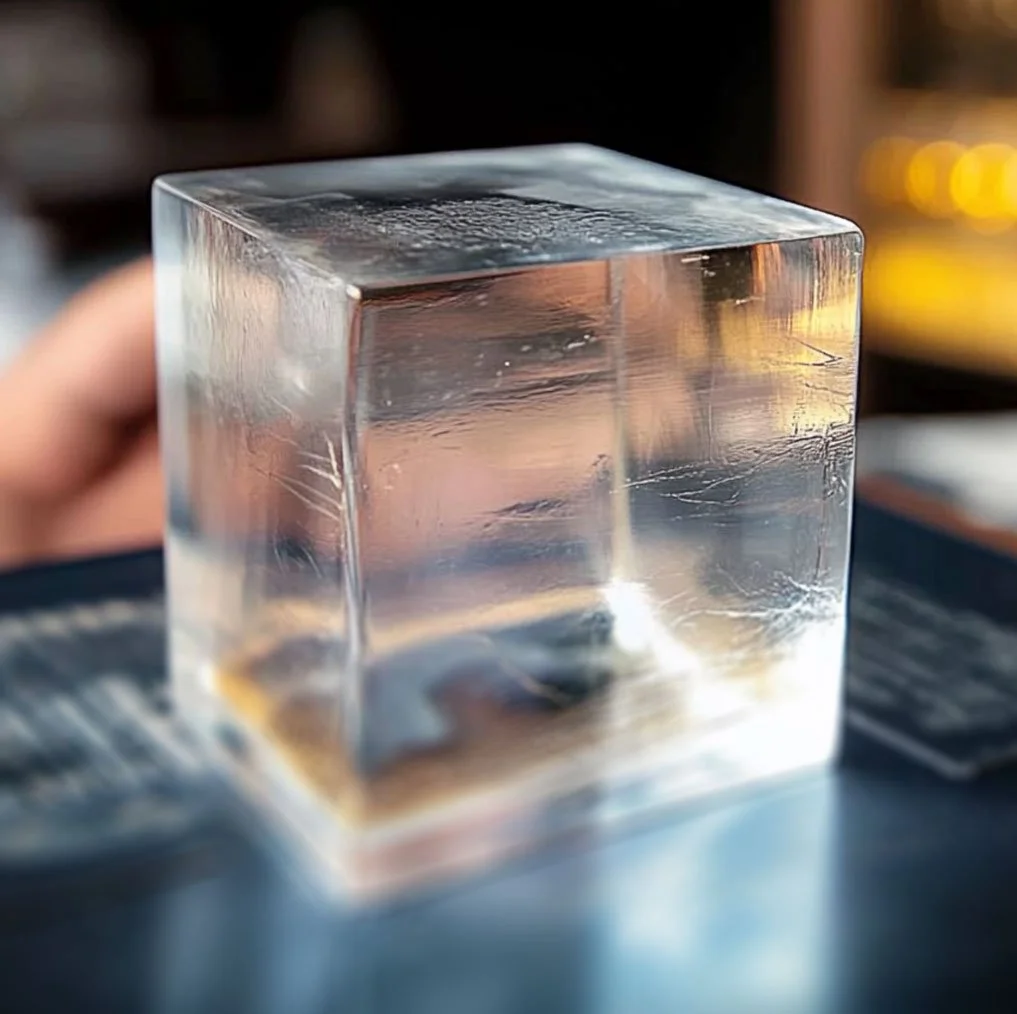
Exclusive clear ice cube
Exceptional whisky deserves an equally considered presentation. From crystal-clear ice to the perfect glass, the smallest details can transform an ordinary moment into a refined ritual.
The appreciation of fine Scotch whisky goes far beyond the liquid itself. The glass, the serving temperature and even the quality of the ice can influence how a whisky reveals its character.
At Glen Loch®, we believe that every detail contributes to the experience. Just as time, oak and craftsmanship shape our Single Malt Scotch Whisky, the way it is served deserves equal consideration.
For those who prefer their whisky chilled, carefully selected ice can enhance the pleasure of the moment without unnecessarily compromising the spirit's balance and complexity.
Why Ice Matters in Scotch Whisky
Ice does more than lower the temperature of whisky. As it melts, it gradually introduces water, changing the concentration of alcohol and influencing the perception of aromas, flavours and texture.
A slight reduction in alcohol strength can soften the initial intensity of the spirit, allowing certain flavours to become more approachable. At the same time, lower temperatures can make some aromas less pronounced.
This delicate balance between cooling and dilution is what makes the choice of ice important.
The objective is not necessarily to make whisky as cold as possible, but to create a serving experience that complements the character of the spirit.
Crystal-Clear Ice: A Mark of Refinement
In premium bars and whisky lounges, crystal-clear ice has become an expression of attention to detail.
Unlike ordinary cloudy ice cubes, which often contain trapped air bubbles and impurities, clear ice is typically produced through controlled freezing techniques that allow air and dissolved gases to be displaced as the water freezes.
The result is a beautifully transparent piece of ice that enhances the visual presentation of the whisky.
Crystal-clear ice is particularly striking in a fine crystal tumbler, where the natural amber and golden tones of Scotch whisky remain visible.
Beyond its appearance, carefully prepared ice made with clean, neutral-tasting water helps preserve the intended flavour of the drink.
Clarity alone does not guarantee purity or slower melting, however. Water quality, ice size, shape and serving conditions all contribute to the final experience.
The Importance of Ice Size and Shape
The shape and size of ice influence how quickly it exchanges heat with the whisky and how dilution develops over time.
Small ice cubes generally have more exposed surface area relative to their volume, allowing them to cool and melt relatively quickly.
Larger ice cubes or spheres have a lower surface-area-to-volume ratio, which can help moderate dilution while maintaining a chilled serving temperature.
Large Ice Cubes
A single substantial cube creates a clean, contemporary presentation. Its generous size can provide controlled cooling and a more gradual drinking experience.
Ice Spheres
Perfectly rounded ice spheres have become a distinctive feature of premium whisky service. Their sculptural form creates an elegant visual impression while offering a relatively low surface area for their volume.
Hand-Cut Ice
Often associated with Japanese cocktail and whisky culture, hand-cut ice reflects precision and craftsmanship. Each piece can be shaped to complement the glass, combining practical function with a distinctive sense of artistry.
For a premium Single Malt Scotch Whisky, a single large, well-prepared piece of ice is often an excellent choice when a chilled serving is preferred.
Temperature, Dilution and the Whisky's Character
Temperature plays an important role in how we perceive whisky.
At warmer temperatures, aromatic compounds can become more noticeable, revealing layers of fruit, oak, spice and other characteristics developed during maturation.
Cooling the whisky can soften the sensation of alcohol, creating a smoother impression on the palate. However, excessive chilling may temporarily suppress some of its more delicate aromas.
As the ice slowly melts, the whisky evolves in the glass.
The first sip may reveal a concentrated character, while subsequent sips become softer as the temperature and alcohol concentration change.
This gradual transformation is part of the appeal of enjoying Scotch whisky over ice.
There is no universally perfect serving temperature. Personal preference, the style of whisky and the occasion all influence the ideal presentation.
The Art of Japanese Ice Craftsmanship
In Japan, the preparation of ice has become an art form in its own right.
At refined cocktail bars, skilled bartenders carefully carve large blocks of ice into precise cubes, spheres and other geometric shapes.
The process requires patience, sharp tools and a deep understanding of how the ice should fit within the glass.
Beyond aesthetics, this tradition reflects a philosophy in which every element of the drinking experience deserves care and attention.
The relationship between Japanese ice craftsmanship and Scotch whisky is particularly compelling: two traditions united by precision, patience and respect for the smallest details.
A beautifully carved piece of ice, presented in a fine crystal glass, can turn the serving of whisky into a memorable ritual.
Choosing the Right Water for Whisky Ice
Even the finest-looking ice can affect the drinking experience if it introduces unwanted flavours.
Water used for whisky ice should be clean, fresh and neutral in taste.
Strong mineral flavours, chlorine or odours absorbed from a freezer can become noticeable as the ice melts into the whisky.
Filtered water can be a good choice, although the most important consideration is the water's flavour and suitability for drinking.
For crystal-clear ice, directional freezing techniques can help reduce trapped air and create the transparent appearance associated with premium whisky service.
Good ice should complement the whisky rather than compete with it.
Glen Loch — A Refined Whisky Ritual
The experience of Glen Loch® is shaped by our passion for detail, from the selection of oak casks and the influence of Pedro Ximénez (PX) Sherry to the distinctive design of our bottles.
That same appreciation extends to the moment a whisky is poured.
Our 8, 12 and 18 Year Old Single Malt Scotch expressions each offer a different balance of aroma, flavour and maturity.
Whether enjoyed neat, with a few drops of water or over a single piece of crystal-clear ice, each expression invites the drinker to explore its individual character.
For those who prefer whisky over ice, we recommend starting with a generous, well-formed cube in a quality tumbler, allowing the spirit to cool gradually.
The result is a considered serving ritual where presentation and flavour come together.
Neat, With Water or Over Ice?
There is no single correct way to enjoy a fine Scotch whisky.
Neat: An ideal starting point for exploring the whisky's natural aromas, texture and flavour without dilution.
With Water: A few drops can reduce alcohol intensity and change the way certain aromas and flavours are perceived.
Over Ice: A refreshing alternative that combines cooling with gradual dilution, creating an evolving experience in the glass.
Each approach reveals different aspects of the same whisky.
The most rewarding experience is ultimately the one that allows you to appreciate its character in your own way.
Excellence Is in the Details
From the craftsmanship behind the whisky to the glass in which it is served, every detail contributes to the experience.
Crystal-clear ice, thoughtfully chosen glassware and careful presentation are not simply decorative elements. They reflect a deeper appreciation for quality, precision and the rituals surrounding fine Scotch whisky.
At Glen Loch®, we celebrate this philosophy through a collection that brings together Scottish heritage, contemporary elegance and a passion for exceptional whisky.
Glen Loch® — The Art of Scotch. Reimagined.
Discover our collection of premium Highland Single Malt Scotch Whiskies and explore the craftsmanship behind every expression.